Personalized Medical Care & Dedicated International Patient Concierge


Skin Rejuvenation & Regenerative Aesthetics · Consultation Required
Customized Skin Booster
A customized skin booster is a minimally invasive dermatological treatment in which skin-conditioning solutions are delivered through a series of very fine microinjections into the upper layers of the skin.
Schedule a ConsultationWhat is Customized Skin Booster Treatment?

A customized skin booster is a minimally invasive dermatological treatment in which skin-conditioning solutions are delivered through a series of very fine microinjections into the upper layers of the skin. Rather than reshaping the face or adding contour, the aim is to improve the quality of the skin itself — how hydrated it feels, how smooth it looks, and how well it reflects light. The word "customized" is the operative part: the injection depth, the treatment areas, the number of sessions, and the spacing between sessions are all determined by your individual skin assessment rather than by a standard package.
It is best described as conservative and supportive. The treatment does not involve surgery, incisions, general anaesthesia, or removal of tissue. It is intended to work with the skin's existing biology by improving its hydration environment and supporting its ongoing renewal processes. This is why treatment is typically structured as a short course of sessions with review points built in — a gradual, cumulative approach is both more comfortable for the patient and easier to monitor clinically. Results vary between individuals, and no aesthetic outcome can be guaranteed.
Who Needs Customized Skin Booster Treatment?
Customized skin booster treatment suits patients whose main concern is the everyday condition of their skin rather than facial structure. Many arrive frustrated that their skincare routine has stopped producing results, or that their skin looks tired in photographs even when they feel well. Candidacy is confirmed only after a physician-led consultation that reviews your medical history, current medications, skin condition, and expectations.
You may be a suitable candidate if you recognise yourself in the following profiles:
- Adults in their late 20s through their 60s noticing that skin hydration, smoothness, and light reflection have gradually declined, without yet wanting surgical or contour-changing intervention.
- Patients with persistently dehydrated or tight-feeling skin that flakes, feels rough to the touch, or absorbs moisturiser within minutes — particularly those working long hours in air-conditioned or heated indoor environments.
- Patients concerned with dullness and uneven tone whose skin looks grey, flat, or sallow in natural light, and who feel their complexion no longer looks rested.
- Patients with fine surface lines around the eyes, mouth, forehead, or on the neck, where the concern is crepiness and texture rather than deep static folds.
- Patients with rough or irregular skin texture who find that foundation clings, separates, or emphasises the skin surface rather than smoothing it.
- Patients seeking a natural, gradual, low-downtime option who want visible improvement in skin condition without a treatment that visibly changes their facial proportions.
- Patients tired of short-lived cosmetic fixes who prefer a structured, medically supervised course with defined review points over repeated one-off salon treatments.
- International patients and frequent travellers whose skin is regularly stressed by long-haul flights, climate change, and disrupted routines, and who want a consolidated treatment plan during a limited stay.
Meet the Specialist

Dr. Hyung Geon Kim, M.D., Ph.D. — Medical Leadership
Dr. Hyung Geon Kim is a graduate of Seoul National University College of Medicine, a board-certified specialist in Internal Medicine, and a certified Gastrointestinal Endoscopy subspecialist recognised by the Korean Society of Gastrointestinal Endoscopy. He completed fellowship training at Asan Medical Center, one of the country's principal tertiary referral hospitals, and holds a Master's degree in Internal Medicine with research into chronic viral hepatitis and a Ph.D. in Preventive Medicine with research analysing hepatocellular carcinoma treatment.
His senior hospital career includes service as Assistant Professor in the Department of Internal Medicine at a medical university hospital, Professor at Case Western Reserve University Hospital in the United States, and subsequently Chief of Internal Medicine and Medical Director of a general hospital. His clinical specialties are liver disease — including chronic hepatitis B and C, cirrhosis, and fatty liver disease — gastrointestinal disorders, and advanced diagnostic and therapeutic endoscopy.
Within the clinic, Dr. Kim's role in skin booster care is one of medical governance rather than cosmetic delivery. Aesthetic injectable treatment is only as safe as the medical screening that precedes it, and this is precisely where decades of internal medicine, hepatology, and hospital directorship experience carry direct value. Dr. Kim's oversight informs how patients are screened for systemic conditions, medication interactions, bleeding risk, and infection risk; how consent and documentation standards are set; and how adverse events would be escalated and managed. The day-to-day assessment, injection technique, and aftercare of skin booster patients is carried out by the clinic's trained aesthetic treatment team, working within protocols established under this medical supervision.
Customized Skin Booster Treatment Areas and Expected Improvements
Skin booster treatment is planned area by area, because the skin on each region differs in thickness, movement, oil production, and healing behaviour. During your consultation, treatment areas are selected according to where your skin condition concerns are genuinely concentrated — not by default coverage.
- Full face (general skin condition): Whole-face treatment is the most common request, addressing overall dryness, dullness, and surface roughness across the forehead, cheeks, and jawline in a single planned session. The face is mapped into zones so that injection density can be adapted — drier lateral cheek skin often differs markedly from the central face. Patients typically describe the goal here as looking rested and even-toned rather than looking "done," and treatment is deliberately planned to preserve natural expression and facial character.
- Periorbital area (around the eyes): The skin around the eyes is among the thinnest on the body, which makes it one of the first areas to show crepiness, dehydration lines, and a dull, shadowed appearance. Treatment in this zone is performed with particular caution regarding depth and volume, as the area bruises more readily than any other part of the face. The realistic goal is improved skin surface smoothness and light reflection rather than removal of established deep lines or correction of eyelid laxity, which are structural rather than skin-quality concerns.
- Perioral area and lip border: Fine vertical lines above the upper lip and dryness along the lip border are common concerns, particularly among patients with a history of smoking, sun exposure, or chronic dehydration. This area is highly mobile, which means skin quality changes here are noticeable in everyday speech and expression. Treatment aims to improve suppleness and reduce the appearance of fine surface creasing, while leaving lip shape and volume unchanged unless a separate treatment is specifically indicated and consented to.
- Neck: The neck is frequently neglected in daily skincare yet is often the first area to reveal age and sun exposure, developing horizontal creasing, crepey texture, and a rough surface feel. Skin here is thin, mobile, and heals differently from facial skin, so injection technique and session spacing are adjusted accordingly. Improvement is usually gradual and cumulative across a course of sessions, and expectations are set carefully because the neck responds more slowly than the face in most patients.
- Décolletage (upper chest): Cumulative sun exposure and habitual side-sleeping commonly produce vertical creasing and uneven, textured skin across the upper chest — an area many patients only notice when wearing open necklines or in photographs. Treatment focuses on hydration and surface smoothness across the exposed triangle of chest skin. Because this area is heavily influenced by ongoing sun exposure, sustained daily photoprotection is treated as part of the treatment plan rather than as optional advice.
- Back of the hands: The hands are highly exposed, frequently washed, and rarely protected, which makes their skin prone to dryness, thinning appearance, and rough texture. Treatment here is superficial and conservative, with careful attention to the tendons and veins beneath. The objective is improved skin surface quality and hydration; it is not a volume-restoration procedure, and patients seeking structural change to the hands require a different consultation entirely.
Customized Skin Booster Treatment Process and Timeline
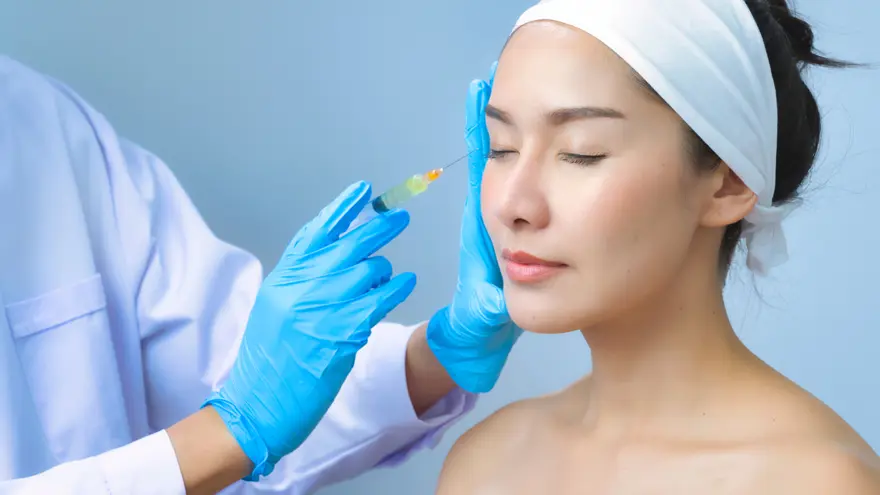
The treatment pathway is deliberately structured so that assessment, consent, treatment, and review are separate and documented stages. Nothing is injected on the same visit as your first consultation unless you have been fully assessed, medically cleared, and have given informed consent.
- Medical consultation and skin assessment. Your visit begins with a full medical history review — existing conditions, current medications and supplements, allergies, bleeding tendency, prior aesthetic treatments, and any history of adverse reactions. Your skin is then assessed for hydration, texture, tone, surface line pattern, oil balance, and any active inflammation or infection. Photographs may be taken for clinical documentation and comparison with your consent.
- Treatment planning and informed consent. Based on the assessment, a plan is proposed covering the specific areas to be treated, the recommended number of sessions, the interval between them, and the expected review points. Realistic outcomes, alternatives, risks, aftercare requirements, and cost are explained before you decide. You are given the opportunity to ask questions and to decline or defer treatment. If skin booster treatment is not the appropriate option for your concern, this is stated plainly.
- Preparation on the treatment day. The treatment area is thoroughly cleansed and disinfected. A topical anaesthetic cream is generally applied and left for a period sufficient to take effect, which improves comfort during the session. Any make-up, sunscreen, or residue is fully removed beforehand, and patients are asked to disclose any change in medication or health status since consultation.
- The microinjection session. Skin-conditioning solution is delivered through a series of very fine microinjections placed at a superficial dermal depth across the mapped treatment zones. The number and density of injection points are adjusted per zone. Most patients describe the sensation as brief, repeated pinpricks with mild pressure. Session length depends on the number and size of areas treated.
- Immediate aftercare and what to expect the same day. Small raised bumps at the injection points are common immediately after treatment and generally settle over several hours to a day or two. Mild redness, swelling, tenderness, or pinpoint bruising may occur. You will be advised to avoid make-up for the remainder of the day, to keep the area clean, to avoid vigorous exercise, saunas, hot baths, and swimming pools for the initial period, and to avoid alcohol and unnecessary sun exposure. Gentle cleansing and diligent sunscreen use are advised as the skin settles.
- Follow-up review and subsequent sessions. A review appointment allows your response to be assessed before the next session is scheduled, and the plan is adjusted if your skin has responded differently than anticipated. Improvements in hydration are often noticed earliest, with texture and tone changes developing more gradually across the course. Maintenance sessions may be discussed once the initial course is complete, based on how your skin has responded.
Typical downtime: Most patients return to routine activities the same day. Visible injection bumps, mild redness, and occasional small bruises are the usual limiting factors, and patients with an important social or professional event are advised to schedule treatment with a comfortable buffer beforehand rather than immediately before.
Customized Skin Booster Results, Safety, and Longevity
How long do skin booster results last?
Skin booster treatment is a maintenance-based procedure rather than a one-time correction. Improvements in hydration and skin condition are gradual and cumulative across a course of sessions, and they are not permanent — the skin continues to age, and environmental and lifestyle exposures continue. How long a given patient's improvement persists varies considerably with age, baseline skin health, sun exposure, smoking, systemic health, and skincare consistency. Because durability is genuinely individual, no fixed duration is quoted; your physician will discuss a realistic maintenance interval based on how your own skin responds during and after the initial course.
Is customized skin booster treatment safe?
Skin booster treatment is a minimally invasive procedure with a generally favourable safety profile when performed under sterile conditions by trained hands, on appropriately screened patients. The clinic's approach is deliberately conservative: thorough pre-treatment medical screening, superficial and controlled injection technique, restraint in volume and treatment density, and structured follow-up rather than aggressive single-session treatment. Patients with systemic conditions, complex medication regimens, or bleeding risk are assessed with particular care before treatment is approved — and treatment is declined where it is not clinically appropriate.
What are the possible side effects and risks?
Common and generally short-lived effects include redness, mild swelling, tenderness, small raised injection bumps, itching, and pinpoint bruising at injection sites. Less commonly, patients may experience more pronounced or prolonged swelling, small palpable lumps, or temporary skin irregularity. Rare but serious complications associated with any injectable skin procedure include infection, allergic or hypersensitivity reaction, persistent nodule formation, and — very rarely — vascular complications. Serious complications are rare, but they are possible. Any injectable procedure carries risk, which is why medical screening, sterile technique, and accessible follow-up matter more than the treatment name itself. Seek urgent medical attention if you experience spreading redness, worsening pain, fever, skin discolouration, or any visual disturbance following treatment.
Why Choose Return Clinic for Customized Skin Booster Treatment?
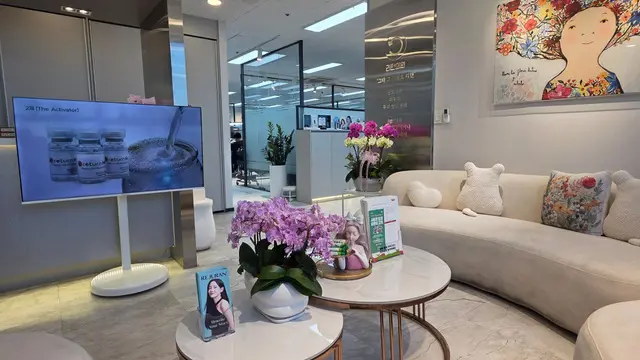
The distinguishing feature of skin booster care here is not the treatment itself — it is the medical framework surrounding it. Injectable aesthetic treatment is a medical act, and it is only as safe as the screening, technique, documentation, and follow-up standards behind it. Under the medical leadership of a physician whose career spans university hospital professorship, tertiary hospital fellowship training, and service as Chief of Internal Medicine and Medical Director, those standards are set at hospital level rather than salon level.
That background translates into practical patient safeguards. A physician trained in internal medicine and hepatology reads a medication list, a bleeding risk, or a systemic red flag differently from a practitioner focused solely on cosmetic outcomes. Patients with liver conditions, chronic illness, anticoagulant therapy, or complex medication regimens are assessed rather than waved through. Where treatment is not appropriate, patients are told so directly — and this willingness to decline is itself a core part of the clinical philosophy.
Care is also structured around continuity. Assessment, treatment planning, delivery, and review are handled as one connected pathway with defined review points, so that treatment can be adjusted according to your actual response rather than following a fixed package regardless of outcome. Patients travelling internationally for treatment are given clear written aftercare guidance and realistic scheduling advice so that treatment fits sensibly within a limited stay, with English-language support throughout.
Clinic USPs:
- Hospital-grade medical governance: Skin booster protocols are supervised by a board-certified Internal Medicine specialist and Seoul National University College of Medicine graduate with a Ph.D. in Preventive Medicine and prior service as Chief of Internal Medicine and Medical Director.
- Academic and international clinical background: Fellowship training at Asan Medical Center and a professorship at Case Western Reserve University Hospital in the United States inform the clinic's approach to evidence-based practice, documentation, and patient communication.
- Conservative, customized treatment planning: Every plan is built around your assessed skin condition — treatment areas, session count, and intervals are individualised, and unnecessary treatment is actively avoided.
- Structured aftercare and follow-up for domestic and international patients: Defined review points, written aftercare instructions, and English-language support from first consultation through completion of your treatment course.
Real Patient Experiences
The following are anonymized, composite examples reflecting typical patient profiles and realistic treatment courses. They are illustrative and do not represent guaranteed or verified individual outcomes.
Dehydrated, Dull Skin Patient, 30s
A professional working long hours in an air-conditioned office reported that her skin felt tight within minutes of cleansing and looked flat and tired under office lighting, despite a consistent skincare routine. Following medical assessment, a customized skin booster course was planned across the full face with additional attention to the periorbital area. She described improved skin comfort and more even make-up application as the course progressed, with a gradual improvement in overall skin brightness noted at review.
Neck and Décolletage Texture Patient, 50s
A patient with a long history of outdoor activity was troubled less by facial lines than by rough, crepey skin across her neck and upper chest, which she felt looked older than her face. After screening and consent, a conservative course focused on the neck and décolletage was planned, with realistic expectations set regarding the slower response typical of these areas. She reported that the skin felt smoother to the touch and looked less creased in open necklines, with change described as gradual rather than sudden.
Book Your Customized Skin Booster Consultation
Your skin condition deserves a medical assessment — not a guess.
Primary CTA: [Book Your Free Skin Booster Consultation Today] — Speak directly with our medical team about your skin concerns, receive a full assessment of your skin condition and medical suitability, and leave with a clear, honest, individually planned recommendation. If a customized skin booster is not the right treatment for you, we will tell you exactly that and explain your alternatives.
Secondary option: Prefer to speak with someone first? Call our patient coordination desk to reach an English-speaking consultation coordinator who can answer your questions about the treatment process, session planning, scheduling for international visits, and what to prepare before your first appointment.
Individual clinical results and recovery timelines may vary depending on scalp/skin condition and personalized treatment planning. Temporary redness, mild swelling, or tenderness may occur following treatment.
Other Services
Explore additional treatments offered by our specialists.

Liftera-A2 HIFU Lifting
Liftera-A2 HIFU lifting is a non-surgical skin tightening procedure that uses high-intensity focused ultrasound to deliver heat energy to precise depths beneath the skin surface.
Learn More

Medical SMP Hair Loss Care
Scalp micropigmentation occupies a distinct position and is not a substitute for medical or surgical hair-loss management.
Learn More

SMP Hairline
SMP hairline treatment applies this technique specifically to the frontal hairline — the area that frames the face and is usually the first thing both the patient and other people notice.
Learn More