Personalized Medical Care & Dedicated International Patient Concierge


Medical Guide
Is Scalp Micropigmentation Painful? A Straight Answer
Is Scalp Micropigmentation Painful? A Straight Answer Medically reviewed by Dr. Hyung Geon Kim, M.D., Ph.D., Board-Certified Internal Medicine Specialist Pain is near the top of what US patients ask Return…
Schedule a ConsultationIs Scalp Micropigmentation Painful? A Straight Answer
Medically reviewed by Dr. Hyung Geon Kim, M.D., Ph.D., Board-Certified Internal Medicine Specialist
Pain is near the top of what US patients ask Return Clinic before booking, and it deserves a direct answer rather than reassurance.
The clinic's own answer is specific: most patients describe SMP as mild discomfort rather than significant pain.
That is a useful sentence because of what it does not say. It does not say comfort-focused, and it does not promise you will feel nothing. It describes a category of sensation, and the rest of this page is about what that category actually contains.
What is physically happening
Pigment is placed into the scalp through many very small punctures. That is the procedure, and it is why there is a sensation at all — the skin is being entered repeatedly across an area.
Two features of that shape the experience.
It is repetitive rather than acute. No single moment is intense. The experience is many small moments over a period, which is a different thing to tolerate from one sharp event.
It varies across the scalp. Skin is not equally sensitive everywhere. The hairline and the areas over bone tend to be felt more than the flatter regions further back. Nobody experiences a uniform sensation across a whole session.
How long you are feeling it
This is the part patients under-anticipate, and it matters more than intensity.
The clinic states that SMP is commonly completed over multiple sessions, each lasting a few hours depending on the treatment area, with treatment time varying by scalp condition.
A few hours of mild, repetitive sensation is a different experience from a few minutes of it. Most people find the first thirty minutes unremarkable and the third hour tiring — not because the sensation intensified, but because tolerating anything for that long is its own thing.
Knowing this in advance is genuinely useful. It reframes what you are preparing for: endurance rather than bravery.
What the clinic says about comfort measures
Return Clinic's FAQ material records anesthesia for SMP as requiring clinic confirmation rather than publishing a standard approach.
That is worth reading accurately. It means the answer for your treatment is a consultation question, not that nothing is available. Ask directly what comfort measures are offered for your plan, and ask before the day rather than during it.
What makes it worse, and what makes it better
Some of this is within your control.
Sleep. Pain tolerance drops when you are tired. A session on the morning after a long-haul flight is a session in the worst condition you will be in all trip.
Caffeine and alcohol. Both affect how you experience discomfort and how readily you bruise or bleed. Moderation in the day before is sensible.
Anxiety. Anticipated pain is felt more than expected pain. This is one reason a page like this is useful — knowing the shape of the sensation reduces the part of it that comes from not knowing.
Area. More sensitive regions are simply more sensitive, and a session concentrated on the hairline will feel different from one across the crown.
Scalp condition. Irritated or inflamed skin is more reactive. The clinic's standing position is that people with active scalp infections, open wounds or uncontrolled skin conditions should consult a doctor before treatment, which covers this from the safety side too.
What afterward feels like
Different from during, and milder.
The clinic describes recovery as generally minimal, with temporary scalp sensitivity possible, and lists temporary redness, mild tenderness or scalp sensitivity among the common effects. Most patients resume normal activities shortly after treatment.
Expect the scalp to feel as though it has been worked on — tender to touch, possibly warm — for a few days. That is the expected course rather than a complication.
The comparison people actually want
Patients usually want SMP compared against something they have already experienced.
The honest comparison is to other procedures that place pigment in skin, because the mechanism is the same — the US Food and Drug Administration's consumer material on tattoos and permanent makeup covers that category. People who have had tattoos generally find scalp work comparable or milder, with the caveat that the scalp's sensitivity varies by region.
For everyone else, the most accurate description remains the clinic's own: mild discomfort rather than significant pain, sustained for a few hours.
What the sensation actually is, and why that helps
Here is the thing worth taking away, and it is not reassurance.
The sensation is repetitive, low-intensity, and long. That specific combination is unfamiliar to most people, which is why "is it painful" is such a hard question to answer usefully — it is not really a question about intensity, and intensity is what the word "painful" makes people think about.
Naming it accurately helps in three concrete ways.
It lets you prepare for the right thing. If you expect a sharp procedure you will brace for moments that never come and be surprised by fatigue you did not plan for. If you expect a long, mild one, you will arrive rested, eat beforehand, and treat it as something to sit through rather than survive.
It makes the sensation interpretable during the session. Discomfort you understand is easier to tolerate than discomfort you are monitoring for meaning. Knowing that the hairline feels different from the crown, and that hour three feels different from hour one, removes the question "is this normal" from your head while it is happening.
It tells you what to report. If the sensation changes character — becomes sharp, becomes one-sided, becomes something other than the repetitive mildness described — that is worth saying out loud during the session rather than enduring. A procedure whose normal sensation you understand is one where an abnormal one is obvious.
It is also worth knowing what you are sitting through it for. The published before-and-after gallery is organized by category, and looking at the one matching your own scalp is a more concrete motivation than any description of the result.
Ask about comfort measures for your specific plan when you first make contact, through the contact page, rather than on the day. It is an ordinary question, the answer depends on your plan, and having it settled in advance removes the part of the discomfort that comes from uncertainty.
The Bottom Line
- The clinic describes SMP as mild discomfort rather than significant pain — a description of a category, not a promise of nothing.
- The sensation is repetitive and low-intensity rather than sharp, spread over sessions lasting a few hours.
- Duration matters more than intensity: hour three is tiring in a way hour one is not, so prepare for endurance rather than bravery.
- Sensitivity varies across the scalp, and sleep, caffeine, alcohol, anxiety and scalp condition all shift the experience.
- Anesthesia and comfort measures are a consultation question for your plan; ask before the day rather than during it.
Frequently Asked Questions
Is scalp micropigmentation painful?
The clinic states that most patients describe it as mild discomfort rather than significant pain. It is a repetitive, low-intensity sensation rather than a sharp one.
How long does the sensation last?
Through the session. Treatment is commonly completed over multiple sessions, each lasting a few hours depending on the treatment area and scalp condition.
Is numbing used?
The clinic records anesthesia for SMP as requiring confirmation rather than publishing a standard approach, so ask what comfort measures apply to your plan at consultation.
Does it hurt more in some areas?
Yes. Skin is not equally sensitive across the scalp, and regions near the hairline and over bone are generally felt more than flatter areas further back.
What can I do to make it easier?
Arrive rested, moderate caffeine and alcohol the day before, and know what to expect — anticipated pain is felt more than expected pain.
How does it compare with a tattoo?
The mechanism is the same, and people who have had tattoos generally find scalp work comparable or milder, though scalp sensitivity varies by region.
What does it feel like afterward?
Temporary scalp sensitivity, redness or mild tenderness for a few days. Recovery is described as generally minimal, with most patients resuming normal activities shortly after.
When should I speak up during a session?
If the sensation changes character — becomes sharp, one-sided, or something other than the repetitive mildness described. Say so at the time rather than enduring it.
This article is for general informational purposes and does not constitute individualized medical advice. It is not a self-diagnosis tool. Comfort measures and candidacy can only be determined through a consultation with a qualified dermatologist or other appropriately qualified clinician who has examined your scalp in person.
More Articles
Continue reading our clinical guides.
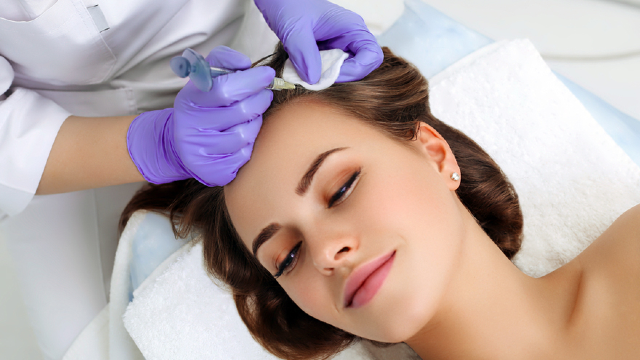
Return Clinic's Non-Surgical Options Compared by Concern
Return Clinic's Non-Surgical Options Compared by Concern Medically reviewed by Dr. Hyung Geon Kim, M.D., Ph.D., Board-Certified Internal Medicine Specialist A clinic menu is organized by what the clinic does.
Learn More
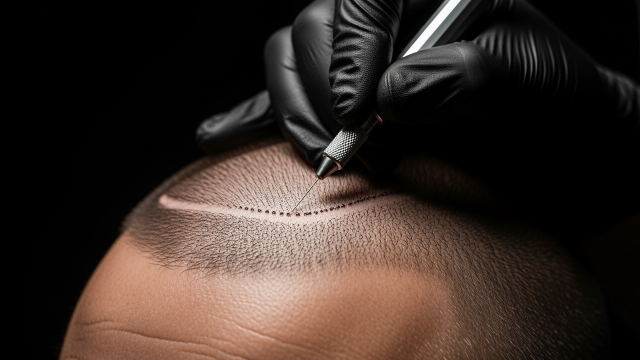
SMP scalp tattoo guide to Korea from Beijing: Guide to appointments, face-to-face consultations and return journeys
北京去韩国做SMP头皮纹发:行程、预约与术后返程规划 医学审核 Dr. Hyung Geon Kim, 医学博士,内科专科医师 要点总结 京首双城短途直飞优势 :从北京首都国际机场或北京大兴国际机场出发,直飞首尔金浦国际机场或仁川国际机场的航程仅需约两小时左右;这一便捷的交通条件使 北京去韩国做SMP 成为周末短途或小长假出行的可行选择。
Learn More
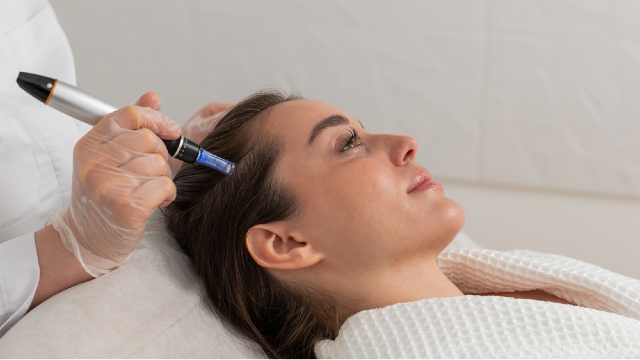
Is Scalp Micropigmentation Painful? A Straight Answer
Is Scalp Micropigmentation Painful? A Straight Answer Medically reviewed by Dr. Hyung Geon Kim, M.D., Ph.D., Board-Certified Internal Medicine Specialist Pain is near the top of what US patients ask Return…
Learn More